Vending & Kiosk Lighting – AC Safety, Anti-Vibration Harness & Serviceability
Engineering methods for safe and serviceable lighting in vending machines and kiosks, covering AC light bars, harness standards, vibration resistance, and stable operation over long wiring routes.
WHERE_IT_APPLIES
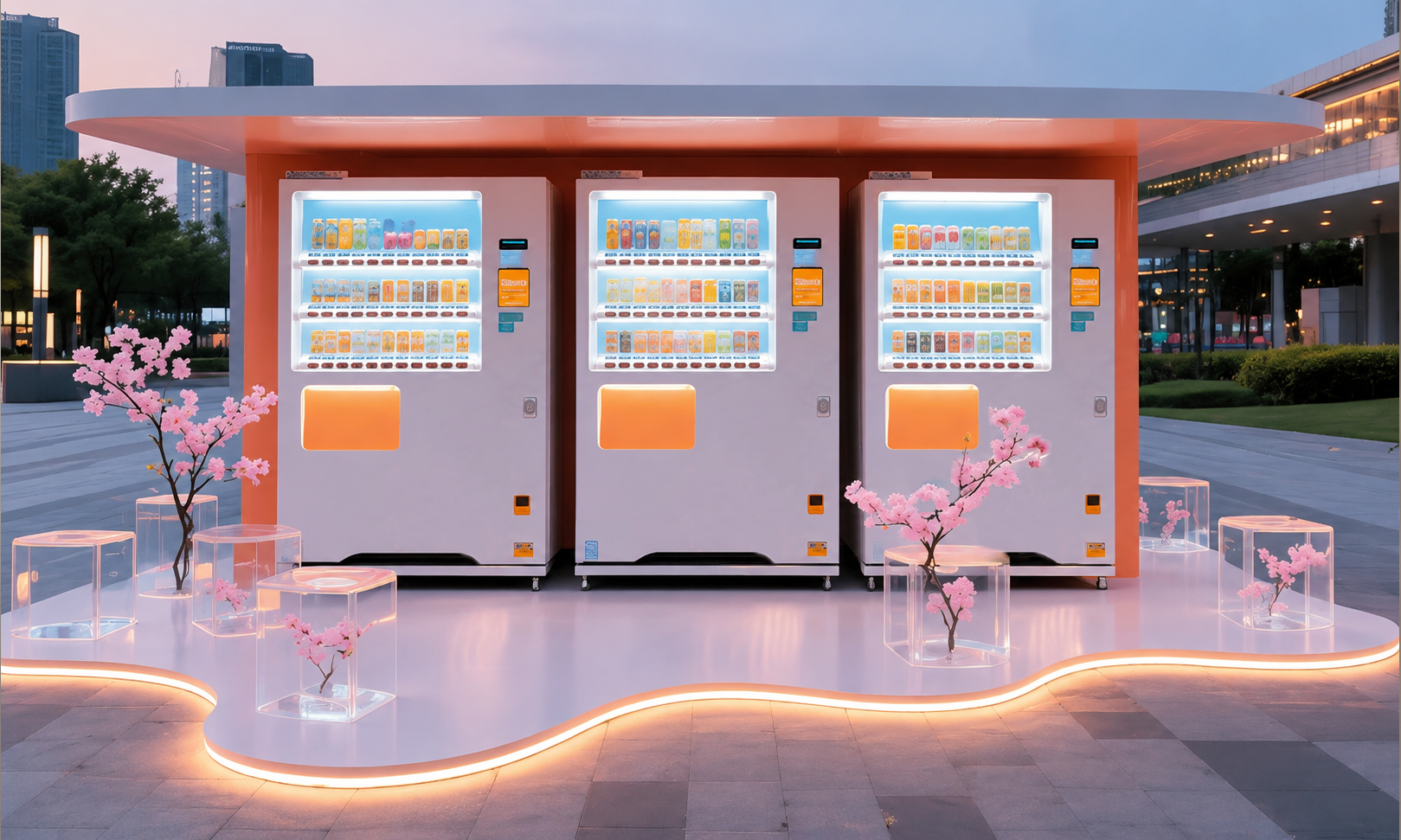
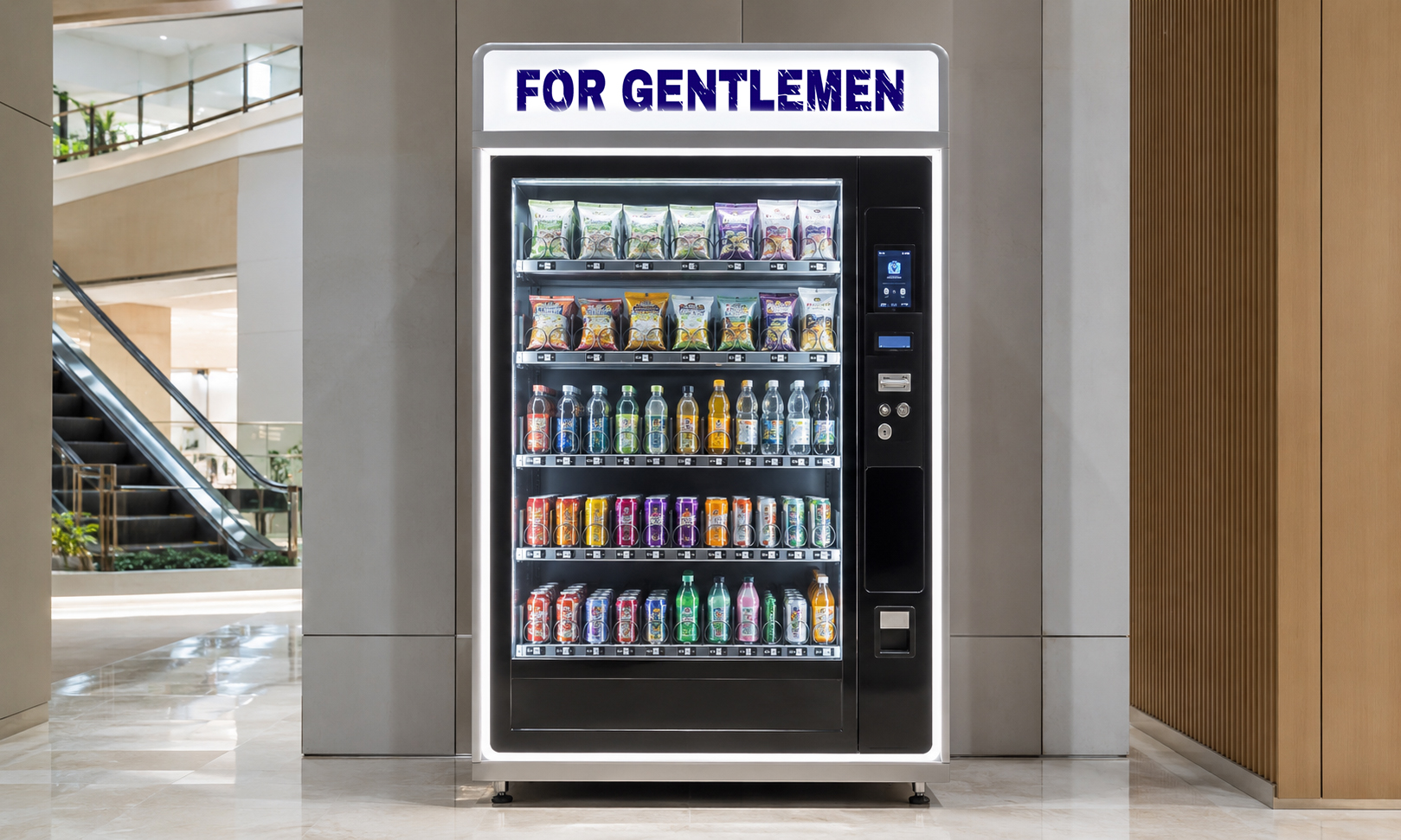
- Vending machines, payment kiosks, ticketing terminals, self-checkout and information terminals
- Indoor commercial environments; vibration from compressors/fans/door slams; long wiring routes
- Lighting positions: product display, door frame, UI accents, coin/bill area, signage
- Power: 24V DC systems or 100–265VAC light bars (if required); harness-based installation
- Controls: on/off, PWM/0–10V via driver, controller-based effects (as required)
- Not a fit for outdoor exposure unless IP/UV requirements are specified and validated
CAPABILITY_SNAPSHOT
- Goal: safe, vibration-resistant, and serviceable lighting that installs quickly in mass production.
- Risks addressed: connector loosening, cable fatigue, electrical safety for AC solutions, and inconsistent field repairs.
- Deliverables: standardized harness BOM, safety-ready design pack, validation plan, and installation/QC documents.
INPUTS_WE_NEED
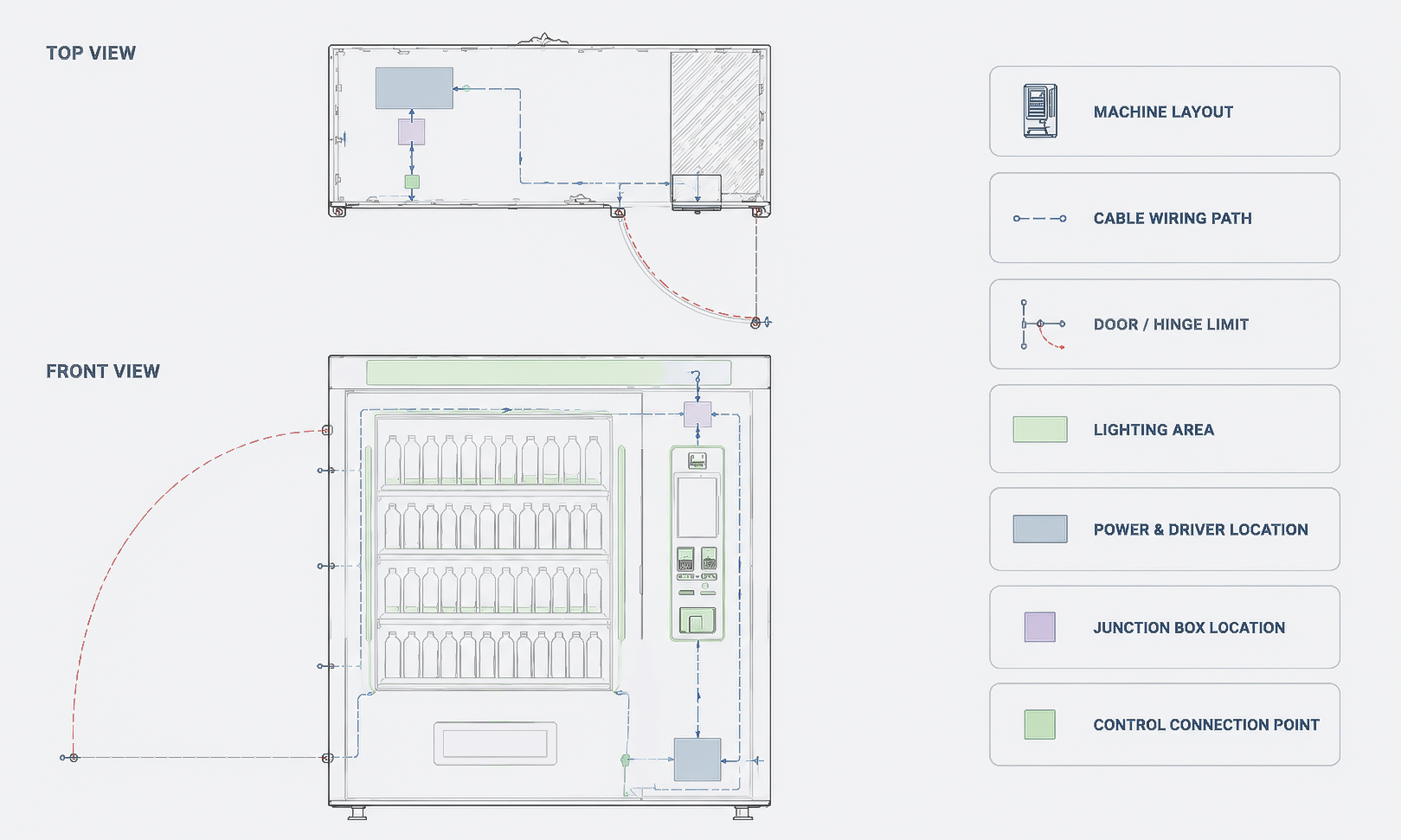
- Machine layout and wiring routes; door/hinge constraints
- Lighting zones and target effect (display lighting vs indicators/accents)
- Power choice: 24V DC or 100–265VAC (and mounting location); driver position
- Control method and any flicker requirements (camera/UI)
- Vibration level and mechanical constraints; serviceability expectations
- Compliance targets (CE/UL/ETL) and required documentation
- Sample plan and forecast volume
PROBLEMS_WE_SOLVE
- Connector loosening or intermittent faults due to vibration and door slams
- Cable fatigue at bends/hinges causing failures in the field
- Safety risks / inconsistent wiring when AC light bars are used
- Brightness drop and unstable output along long internal wiring routes
- Difficult service replacement and inconsistent repairs
- EMI/noise causing flicker or artifacts (controller/signal lines)
KEY_ENGINEERING_CONTROLS
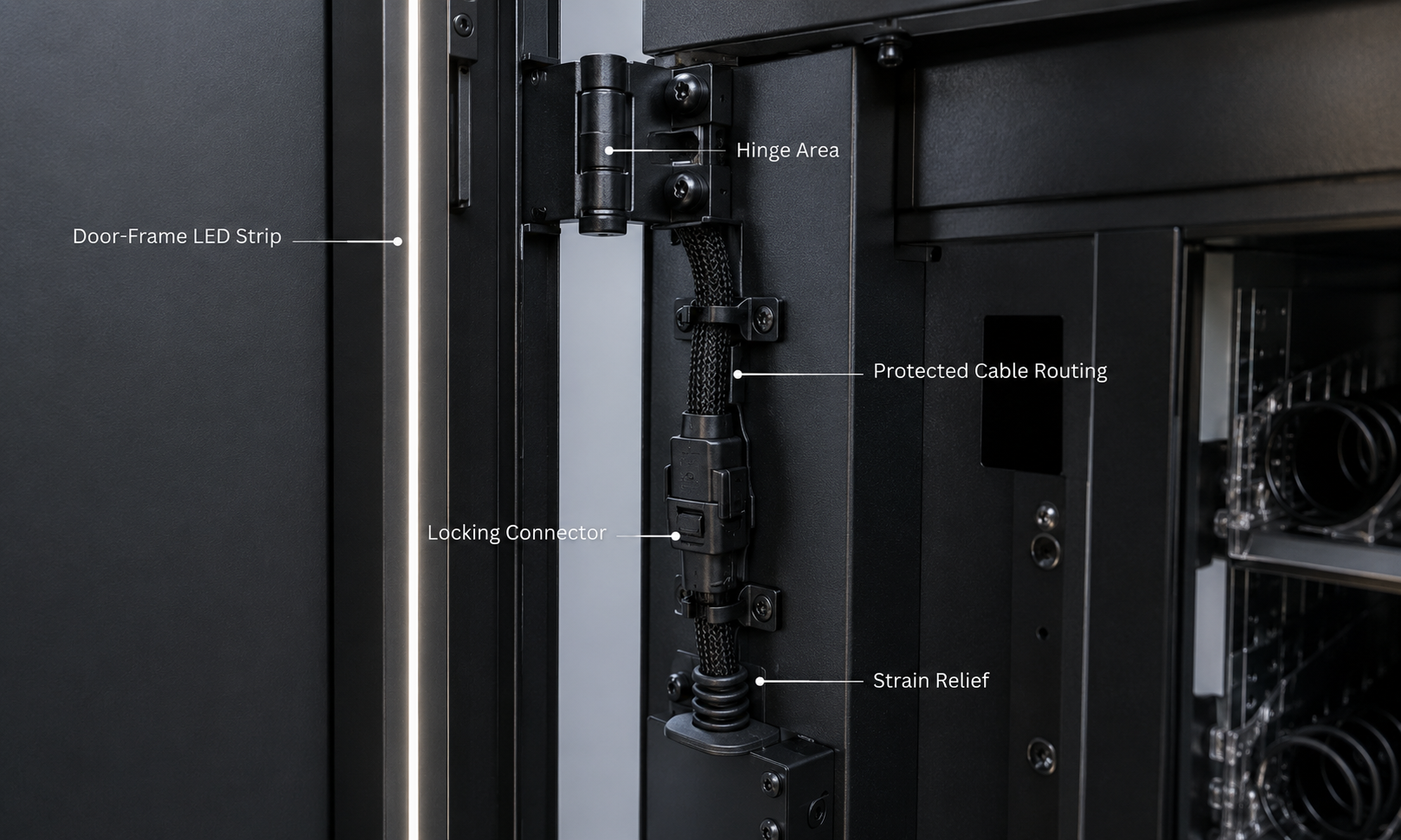
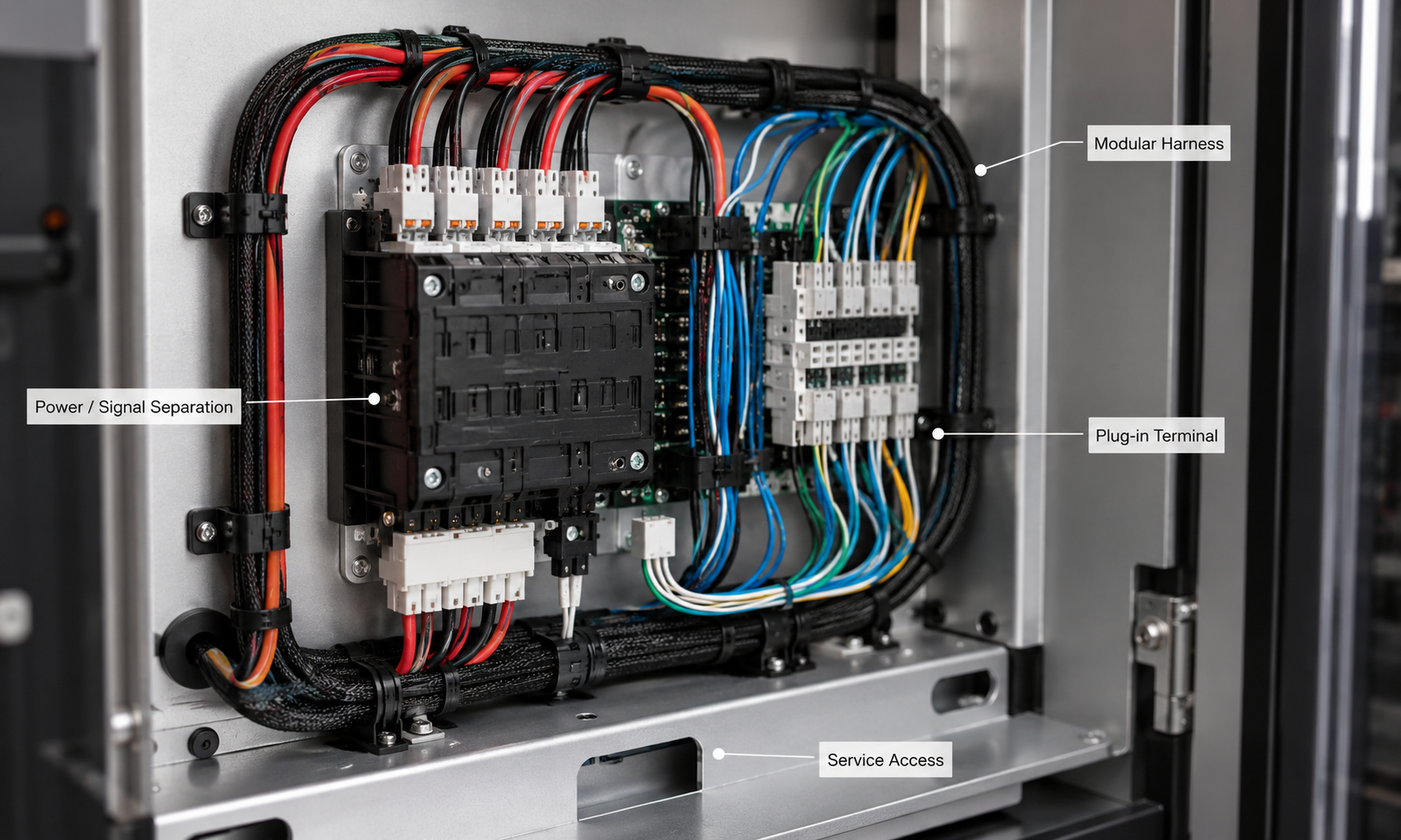
- Harness standardization: keyed/locking connectors, defined pinout, strain relief, labeling; avoid field splicing
- Anti-vibration design: secure routing, bend radius control, cable clamps, anti-loosening connectors
- AC safety (if used): insulation/creepage approach, protective earth strategy where applicable, hi-pot/ground tests per project
- Power planning: wire gauge and current budgeting; injection points where needed; connector temperature rise control
- Serviceability: modular segments, accessible connectors, replacement procedure
- EMI robustness (if applicable): twisted pair/shielding for signal; grounding strategy; separation of power/signal
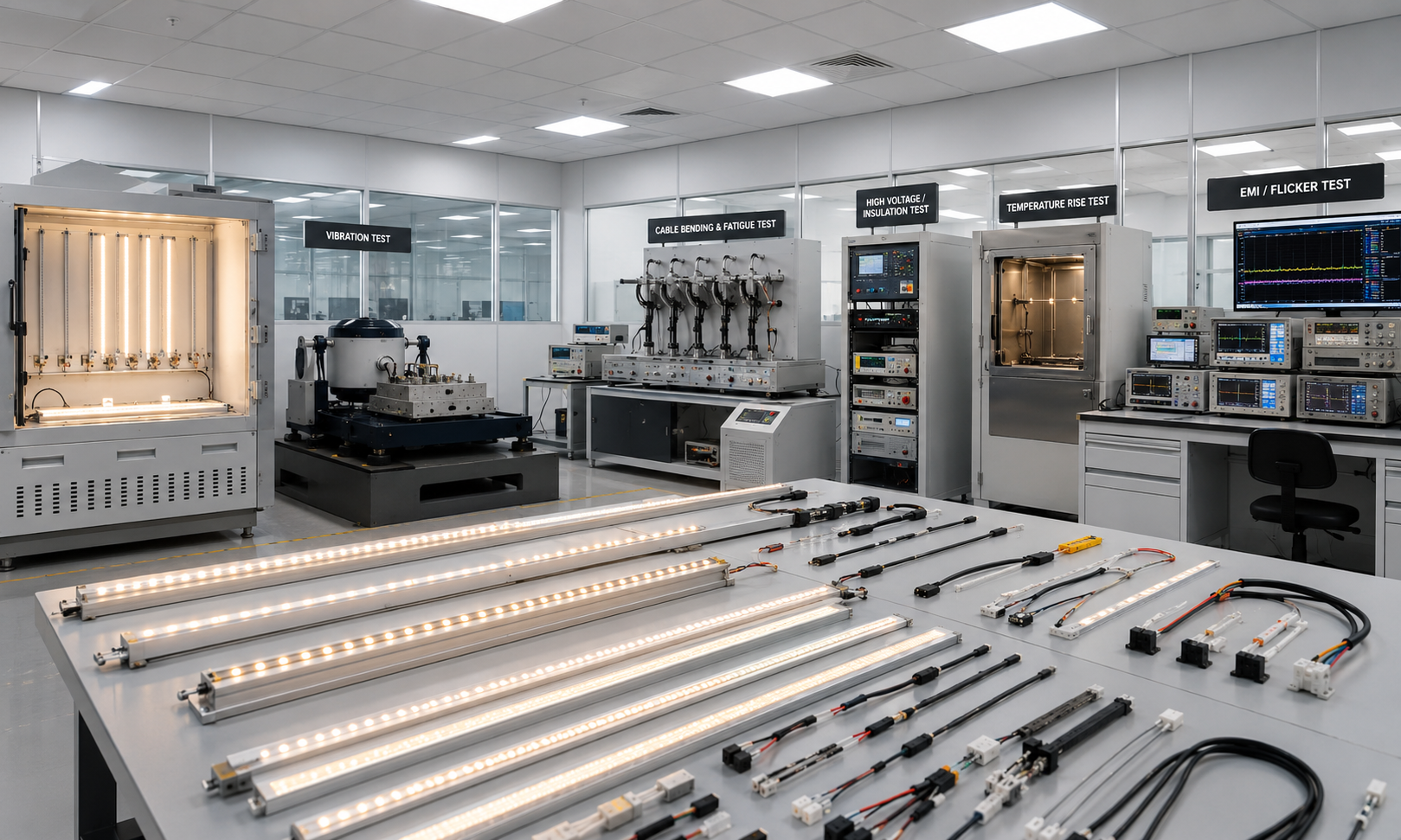
VALIDATION_TESTING
- Vibration test | Condition: project-defined profile | Pass: no intermittent connection; no loosening
- Cable bend/fatigue | Condition: hinge/bend cycles | Pass: no open/short; insulation intact
- Hi-pot / insulation (AC) | Condition: per project standard | Pass: meets safety criteria
- Connector temp rise | Condition: max load | Pass: within safe temperature rise target
- EMI/flicker check | Condition: worst-case operation | Pass: stable output; no artifacts